Elderly parents may need professional care support at home when daily activities become difficult, health conditions require monitoring, mobility challenges increase fall risks, or family caregivers are unable to provide continuous support. Key signs include frequent falls, memory problems, difficulty with bathing or dressing, missed medications, chronic health conditions, and declining ability to manage daily routines. Professional caregivers help maintain safety, independence, and well-being for seniors while providing families peace of mind.
Why Some Seniors Eventually Need Professional Care Support
Aging often brings physical and health changes that make independent living more difficult. These changes affect seniors’ ability to manage daily activities safely, maintain health, and live independently without assistance or supervision from caregivers or family members.
Factors include:
- Declining mobility: difficulty walking, standing, or moving around the home safely increases fall risks
- Chronic health conditions: diabetes, heart disease, arthritis, or hypertension require regular monitoring and medication management
- Cognitive decline: memory loss, confusion, or dementia affects the ability to manage medications, finances, and daily routines
- Increasing dependence on family support: seniors rely more heavily on family members for transportation, meal preparation, and personal care
- Vision or hearing impairment: sensory decline affects safety, communication, and the ability to perform daily tasks
- Social isolation: reduced social interaction leads to loneliness, depression, and declining mental health
These changes are natural parts of aging, but they signal when additional support becomes necessary to ensure senior safety and quality of life.
Common Signs That Elderly Parents Need Care Support
Families often notice gradual changes that indicate a need for additional support. Recognizing these signs early allows families to arrange appropriate care before situations become critical or lead to health emergencies that require hospitalization.
Signs include:
- Difficulty managing daily activities – struggling with cooking, cleaning, bathing, or dressing independently
- Poor personal hygiene – wearing dirty clothes, skipping showers, or neglecting grooming indicates an inability to manage self-care
- Missed medications – forgetting doses, taking incorrect amounts, or confusion about prescriptions
- Frequent forgetfulness – missing appointments, leaving the stove on, or repeatedly asking the same questions
- Reduced mobility – walking slowly, difficulty standing from chairs, or avoiding stairs
- Weight loss or malnutrition – forgetting to eat, inability to prepare meals, or loss of appetite
- Unexplained bruises or injuries – signs of falls or accidents that weren’t reported
- Increased confusion or disorientation – getting lost in familiar places or difficulty recognizing people
When families observe these signs consistently, it’s time to consider professional care support to ensure parent safety and well-being.
Difficulty with Daily Living Activities
Seniors may struggle with everyday tasks known as Activities of Daily Living (ADLs). When seniors can no longer perform these activities safely or independently, professional caregiver support helps maintain dignity, safety, and quality of life at home.
| Activity |
Difficulty Observed |
Why Support Helps |
| Bathing |
Risk of falls in the shower or tub |
Caregiver assistance ensures safety and hygiene |
| Dressing |
Difficulty with buttons, zippers, or balance |
Support maintains appropriate clothing and dignity |
| Cooking meals |
Forgetting to eat or using the stove unsafely |
Meal preparation support ensures proper nutrition |
| Mobility |
Trouble walking or transferring from bed |
Reduces fall risk and supports safe movement |
| Toileting |
Difficulty reaching the bathroom in time |
Assistance prevents accidents and maintains dignity |
| Grooming |
Neglecting teeth brushing or hair care |
Caregiver support maintains personal hygiene |
When seniors struggle with two or more ADLs consistently, professional caregiving support becomes important for maintaining health, safety, and independence at home.
Health Conditions That Require Caregiver Support
Many seniors develop health conditions that require regular monitoring, medication management, and assistance with daily health routines. Professional caregivers help manage these conditions effectively and prevent complications that could lead to emergencies or hospitalizations.
Conditions requiring support include:
- Diabetes: requires blood sugar monitoring, medication management, dietary supervision, and recognition of symptoms
- Heart disease: needs blood pressure monitoring, medication adherence, activity limitations, and symptom observation
- Arthritis: causes mobility challenges requiring assistance with movement, pain management, and daily activities
- Dementia or memory loss: affects safety awareness, medication management, and the ability to live independently
- Stroke recovery: requires mobility assistance, speech therapy support, and monitoring for complications
- Respiratory conditions: need oxygen management, breathing monitoring, and medication administration
Professional caregivers trained in health monitoring recognize warning signs, ensure medication compliance, and communicate health changes to families and doctors promptly.
Safety Concerns for Seniors Living Alone
Seniors living alone may face increased safety risks that make daily life hazardous. Without supervision or assistance, these risks can lead to serious injuries, delayed emergency response, or health complications that require hospitalization.
Safety concerns include:
- Fall risks: seniors living alone may fall without anyone nearby to help them get up or call for assistance
- Medication errors: taking wrong doses, missing medications, or experiencing adverse reactions without supervision
- Delayed emergency response: inability to reach phone or call for help during medical emergencies
- Difficulty managing household tasks: inability to maintain clean, safe living environments
- Fire or cooking hazards: forgetting the stove is on or improper use of appliances
- Wandering risks: seniors with dementia may leave home and become lost
Families seeking guidance on how to ensure safety and health monitoring for seniors at home can implement comprehensive safety measures and caregiver support that protect elderly parents.
Emotional and Mental Health Challenges in Seniors
Emotional well-being is an important aspect of senior health that families sometimes overlook while focusing on physical health needs. Mental health challenges affect quality of life, physical health, and overall senior wellbeing significantly.
Challenges include:
- Loneliness: spending long hours alone without social interaction or companionship
- Depression: feelings of sadness, hopelessness, or loss of interest in previously enjoyed activities
- Reduced social interaction: isolation from friends, family, and community activities
- Lack of mental stimulation: boredom and cognitive decline from limited engagement
- Anxiety about health or future: constant worry about declining health or becoming a burden
- Grief and loss: processing the death of a spouse, friends, or loss of independence
Professional caregivers provide not only physical assistance but also companionship, conversation, and emotional support that significantly improve senior mental health and quality of life.
When Family Caregiving Becomes Difficult to Manage
Many families initially provide care themselves, but eventually struggle to balance caregiving with other responsibilities. Recognizing when family caregiving becomes unsustainable prevents caregiver burnout and ensures seniors receive consistent, quality care.
Challenges include:
- Work commitments: balancing full-time employment with caregiving responsibilities becomes overwhelming
- Physical exhaustion: lifting, assisting with mobility, and providing round-the-clock care causes fatigue
- Emotional stress: watching parents decline while managing care responsibilities affects mental health
- Lack of medical caregiving knowledge: family members may not understand how to manage chronic conditions or medications properly
- Geographic distance: living far from parents makes daily caregiving impossible
- Impact on family relationships: caregiving stress affects marriages, children, and family dynamics
When family caregivers experience these challenges consistently, arranging professional support helps maintain quality care while protecting caregiver health and well-being.
How Professional Home Care Services Support Seniors
Professional caregivers help seniors maintain independence while ensuring safety and health monitoring. They provide trained, reliable support that addresses physical, emotional, and medical needs while allowing seniors to remain in familiar home environments.
Services include:
- Assistance with daily activities – help with bathing, dressing, grooming, toileting, and mobility
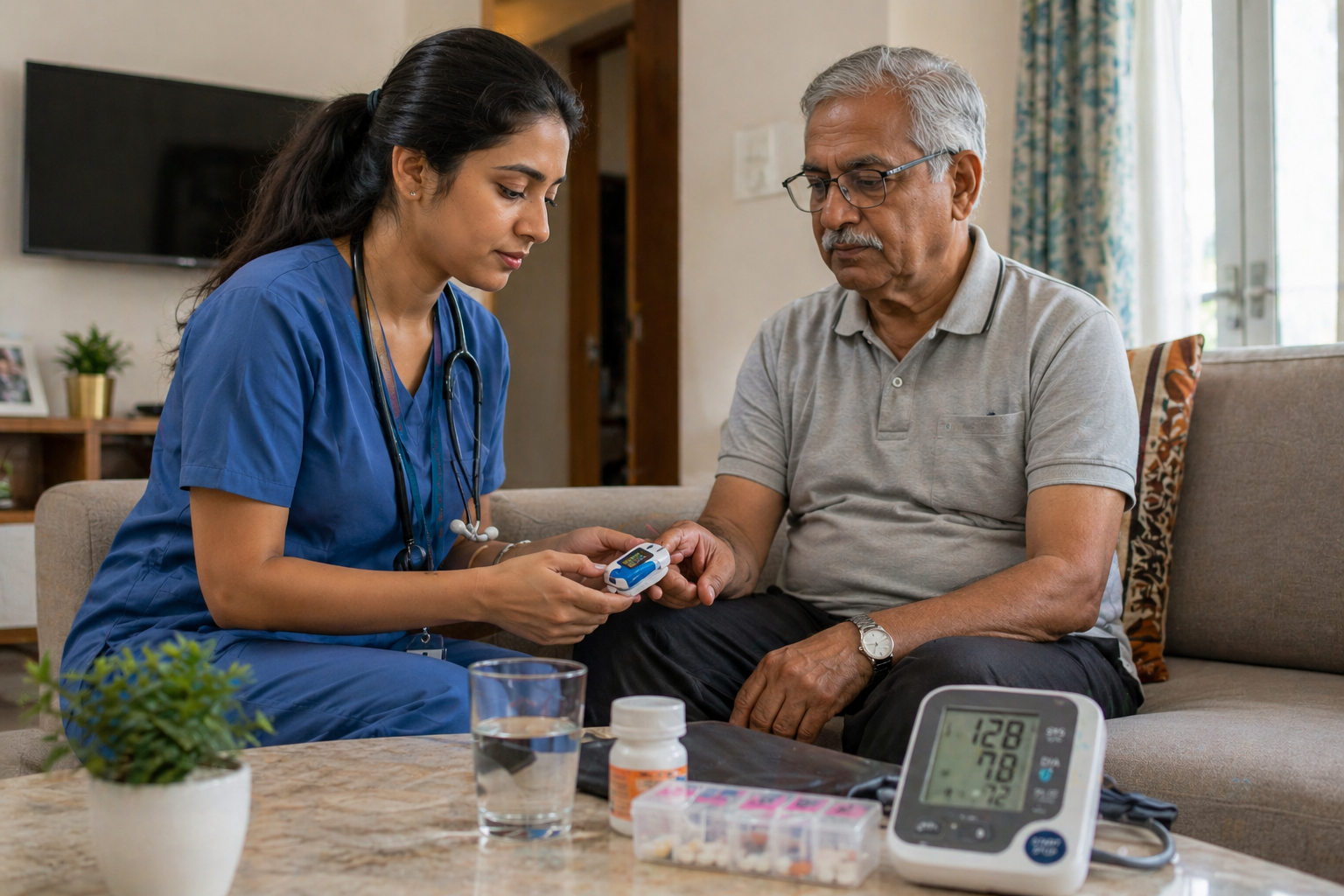
- Medication reminders – ensuring seniors take correct medications on schedule
- Mobility support – helping seniors walk safely, transfer from bed to chair, and prevent falls
- Companionship – providing conversation, emotional support, and social interaction
- Meal preparation – cooking nutritious meals that meet dietary requirements
- Health monitoring – checking vital signs, observing symptoms, and communicating with families and doctors
- Light housekeeping – maintaining clean, safe living environments
Learning about why families choose home elder care in India: costs and benefits helps families understand how professional services provide comprehensive support while remaining cost-effective compared to institutional care.
Importance of Choosing a Reliable Caregiver
Selecting a trustworthy caregiver is essential for safe and effective elder care. The right caregiver provides compassionate support, maintains safety, and communicates effectively with families about parent health and wellbeing.
Important factors include:
- Background verification – confirming identity, employment history, and conducting police checks ensure safety
- Caregiving experience – previous work with seniors demonstrates understanding of elder care needs
- Communication skills – ability to listen to seniors, understand needs, and update families regularly
- Reliability – consistent attendance, punctuality, and commitment to caregiving responsibilities
- Compassion and patience – showing kindness and understanding toward seniors during difficult moments
- Medical awareness – knowledge of health conditions, medication management, and emergency response
Understanding how to choose a trusted caregiver for elderly parents at home helps families evaluate candidates effectively and select caregivers who provide safe, compassionate support.
Challenges NRI Families Face When Parents Need Care
NRI families often face additional difficulties managing elder care from abroad. Distance creates unique obstacles in coordinating care, monitoring parent health, and ensuring quality caregiver support without physical presence.
Challenges include:
- Distance from parents – inability to visit regularly or assess care quality firsthand
- Difficulty monitoring health – limited visibility into daily health status or changes in condition
- Coordinating caregivers remotely – hiring, supervising, and communicating with caregivers across time zones
- Time zone differences – scheduling communication with parents and caregivers becomes complicated
- Limited emergency response – inability to travel quickly during health crises or emergencies
- Dependence on others for updates – relying on caregivers or local relatives for accurate information
Learning about what challenges NRI families face caring for parents in India helps families abroad anticipate obstacles and implement solutions such as professional elder care services that provide reliable support and regular communication.
Benefits of Arranging Care Support Early
Early planning for caregiving support can prevent health emergencies, reduce family stress, and improve quality of life for seniors. Proactive care arrangements ensure smooth transitions and allow families to select quality caregivers without pressure.
Benefits include:
- Improved safety – professional supervision reduces fall risks, medication errors, and emergency incidents
- Better health monitoring – early detection of health changes prevents complications and hospitalizations
- Reduced caregiver stress – professional support relieves family burden and prevents burnout
- Stronger family support – families can focus on emotional connections rather than physical caregiving
- Maintained senior independence – appropriate support helps seniors remain at home longer with dignity
- Time to find quality caregivers – avoiding rushed hiring decisions ensures better caregiver selection
- Gradual adjustment – seniors adapt to caregiving support more easily when introduced gradually
Families who arrange professional care support for the elderly at home early create stable, sustainable care arrangements that benefit both seniors and family members.
Conclusion
Recognizing when elderly parents need professional care support at home is essential for maintaining their safety, health, and quality of life. Signs such as difficulty managing daily activities, mobility challenges, chronic health conditions, frequent falls, memory loss, and declining personal hygiene indicate that professional caregiver support has become necessary.
Professional caregivers provide trained assistance with daily living activities, medication monitoring, mobility support, health observation, and companionship that helps seniors remain independent at home. They reduce fall risks, prevent health complications, ensure proper nutrition and medication adherence, and provide emotional support that improves senior wellbeing significantly.
For families caring for aging parents, particularly NRI families managing care remotely, arranging professional care support for the elderly at home early prevents emergencies, reduces family stress, and ensures parents receive consistent, compassionate care. Professional elder care services bridge geographic distance, provide reliable supervision, and maintain regular family communication that gives everyone peace of mind.
Taking proactive steps to arrange appropriate caregiving support honors family commitments while ensuring aging parents receive the dignity, safety, and personalized attention they deserve during their later years at home.
Frequently Asked Questions
How do families know when elderly parents need care support?
Families should consider care support when parents struggle with daily activities such as bathing, cooking, or managing medications, experience frequent falls, show signs of memory loss or confusion, have chronic health conditions requiring monitoring, or when family caregivers feel overwhelmed. Professional assessment helps determine appropriate support levels.
What are the signs that seniors need a caregiver?
Signs include difficulty with personal hygiene, missed medications, unexplained weight loss, frequent forgetfulness, reduced mobility, poor home maintenance, social isolation, and multiple falls or injuries. When seniors struggle with two or more daily activities consistently, caregiver support helps maintain safety, health, and independence at home.
Can elderly parents receive professional care at home?
Yes, elderly parents can receive professional care at home through trained caregivers who provide assistance with daily activities, medication monitoring, mobility support, meal preparation, companionship, and health observation. Home care allows seniors to remain in familiar environments while receiving personalized support that meets their specific needs.
What services do professional caregivers provide?
Professional caregivers assist with bathing, dressing, grooming, mobility support, medication reminders, meal preparation, light housekeeping, companionship, and health monitoring. They help seniors maintain independence and dignity while ensuring safety, proper nutrition, medication adherence, and social interaction that supports overall well-being.
How can NRI families arrange care for parents?
NRI families can arrange care through professional elder care agencies that provide background-verified caregivers, regular health monitoring, and family communication. Services include caregiver coordination, health updates, emergency response protocols, and quality oversight. Local relatives can also help monitor care quality and maintain family connections.






Leave A Comment