

Our Blog Details

  • Post By
  • Date
    April 28, 2026
  • Comments
    0
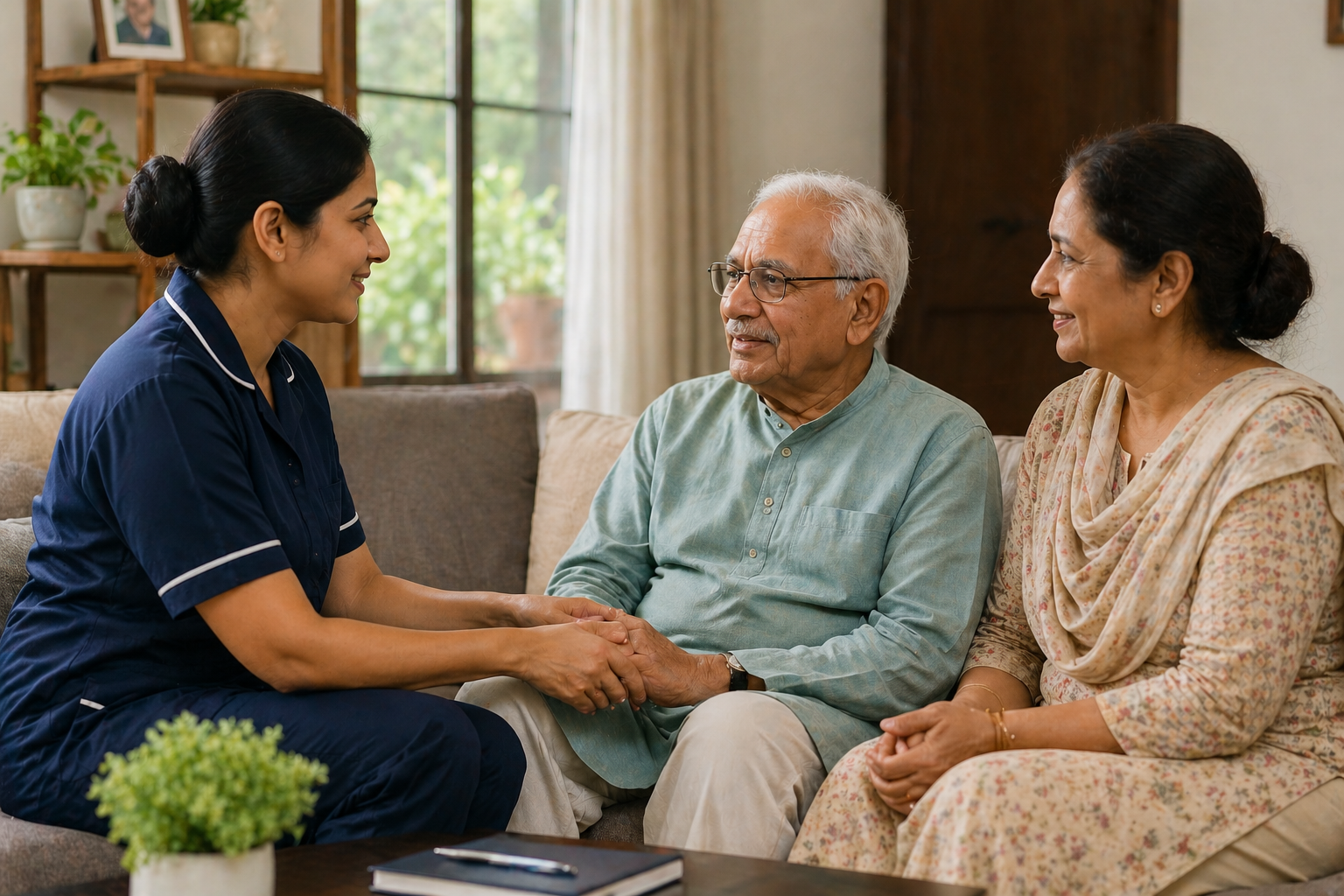
Choosing a trusted caregiver for elderly parents requires careful evaluation of experience, training, background verification, compassion, and communication skills. Families must assess the caregiver’s medical awareness, ability to handle emergencies, reliability, and compatibility with the senior’s personality and care needs. Proper caregiver selection ensures that aging parents receive safe, respectful, and compassionate support at home while maintaining dignity and independence. Understanding what families should know before choosing elder care at home helps families make informed decisions about caregiver selection and home care arrangements.

Why Choosing the Right Caregiver Is Important

Caregivers play a critical role in supporting seniors with daily living activities, safety monitoring, medication reminders, mobility assistance, and emotional companionship. The right caregiver helps seniors maintain independence, dignity, and quality of life while ensuring families feel confident about their loved one’s wellbeing and safety at home. Caregiver responsibilities include:
  • Assisting with daily activities: helping with bathing, dressing, grooming, and toileting
  • Supporting mobility and physical safety:  preventing falls and assisting with walking
  • Reminding and monitoring medication schedules: ensuring seniors take prescribed medicines correctly
  • Providing companionship and emotional support:  reducing loneliness and isolation
  • Monitoring senior wellbeing – observing health changes and reporting concerns to families

What Responsibilities a Home Caregiver Typically Handles

Home caregivers assist elderly parents with both personal care needs and practical daily tasks. Their support helps seniors maintain dignity, safety, and comfort while allowing them to age in the familiarity of their own homes. Caregiver responsibilities vary based on the senior’s health condition and care requirements.
Responsibility Purpose Benefit for Seniors
Personal care Help with bathing, grooming, and dressing Maintains hygiene and dignity
Mobility assistance Help with walking, transferring, and positioning Reduces fall risk and supports independence
Medication reminders Ensures proper dosage and timing Prevents missed medication and complications
Meal preparation Prepares nutritious meals Supports healthy nutrition and dietary needs
Companionship Emotional support and conversation Reduces loneliness and improves mental well-being
Light housekeeping Maintains a clean and safe living environment Prevents hazards and ensures comfort

Signs That Elderly Parents Need a Professional Caregiver

Families often consider hiring professional caregivers when managing daily caregiving responsibilities becomes overwhelming or when seniors require specialized support. Recognizing these signs early helps families arrange appropriate care before health or safety concerns escalate into emergencies or crises. Signs include:
  • Difficulty managing daily activities: seniors struggle with bathing, dressing, cooking, or household tasks
  • Mobility challenges and fall risk:  increased difficulty walking, balance issues, or a history of falls
  • Memory loss or cognitive decline:  forgetting medications, appointments, or daily routines
  • Chronic health conditions requiring monitoring:  diabetes, heart disease, or conditions needing regular observation
  • Family caregiver burnout:  family members feel physically or emotionally exhausted from caregiving duties
Families looking for guidance on when elderly parents need professional care support at home can better understand the right timing for caregiver assistance.

Key Qualities Families Should Look for in a Caregiver

Beyond formal qualifications and experience, personal qualities significantly influence the quality of care seniors receive. A caregiver’s character, communication style, and emotional sensitivity determine how comfortable seniors feel receiving assistance and how well the caregiver adapts to changing needs and family expectations. Important qualities include:
  • Compassion and patience: showing kindness, understanding, and empathy toward seniors, especially during difficult moments
  • Strong communication skills:  clearly explaining care activities, listening to senior preferences, and updating families regularly
  • Reliability and punctuality:  consistently arriving on time and fulfilling caregiving responsibilities without frequent absences
  • Emotional sensitivity:  recognizing when seniors feel frustrated, sad, or anxious and responding with appropriate support
  • Respect for senior independence:  encouraging seniors to do what they can independently while assisting when needed

How to Verify the Background of a Caregiver

Background verification is one of the most critical safety steps when hiring a caregiver for elderly parents. Proper verification protects seniors from potential risks and helps families hire trustworthy, reliable caregivers. Thorough background checks provide peace of mind and confirm the caregiver’s identity, experience, and character.
Verification Step Why It Matters What Families Should Check
ID verification Confirms identity and legal status Government-issued ID cards, address proof
Reference checks Confirms reliability and work ethic Previous employers, families served
Work history Shows caregiving experience and stability Previous caregiving roles, duration of employment
Police verification Ensures no criminal background Police clearance certificate if applicable
Families hiring caregivers through professional agencies benefit from pre-verified candidates who have already completed these background checks, reducing the burden on families while ensuring safety and reliability.

Evaluating Caregiver Experience and Training

Caregiver experience and training directly influence the quality, safety, and effectiveness of care seniors receive. Experienced caregivers understand senior needs, recognize health changes quickly, and respond appropriately to emergencies. Families should evaluate:
  • Previous caregiving experience: number of years working with seniors and types of care provided
  • Handling chronic health conditions:  experience caring for seniors with diabetes, dementia, or mobility limitations
  • Basic health monitoring skills:  ability to check blood pressure, blood sugar, and recognize concerning symptoms
  • Emergency response awareness: knowing how to respond to falls, choking, or sudden illness
Caregivers with relevant training and experience provide safer, more effective care and help families feel confident that their elderly parents receive competent, compassionate support.

How Families Can Ensure Safety and Health Monitoring

Caregivers must help maintain a safe home environment while monitoring the senior’s health for changes that require medical attention. Effective safety practices and health monitoring prevent accidents and identify health problems early. Key areas include:
  • Fall prevention:  removing tripping hazards, installing grab bars, and ensuring adequate lighting
  • Medication monitoring:  ensuring seniors take medications on time and in correct doses
  • Mobility assistance:  helping seniors move safely around the home and use assistive devices
  • Health observation: monitoring vital signs, appetite, hydration, and reporting changes to families
Families seeking detailed guidance on how to ensure safety and health monitoring for seniors at home can implement comprehensive safety practices that protect elderly parents.

Communication Between Families and Caregivers

Clear communication between family members and caregivers helps ensure consistent, coordinated care and allows families to stay informed about their elderly parent’s well-being. Open communication builds trust and addresses concerns quickly. Effective practices include:
  • Regular care updates: caregivers sharing daily or weekly reports about activities, meals, and health observations
  • Discussing health concerns promptly:  caregivers informing families immediately about falls or medication issues
  • Maintaining emergency contacts:  keeping updated contact information for family members and doctors accessible
  • Scheduled family-caregiver meetings: regular discussions to review care plans and address concerns

How NRI Families Can Manage Caregiver Arrangements

NRI families often rely on trusted professional caregiving services to ensure parents receive proper, consistent care while they live abroad. Distance creates unique challenges, but professional agencies and regular communication help NRI families arrange reliable care. Solutions include:
  • Professional caregiving agencies:  hiring reputable agencies that provide background-verified, trained caregivers
  • Remote health monitoring updates:  receiving regular reports or video calls showing parent wellbeing
  • Regular communication with caregivers:  scheduled calls to discuss parent health and care quality
  • Involvement of local relatives:  coordinating with family friends who can visit and monitor care
Understanding what challenges NRI families face in caring for parents in India helps families anticipate obstacles and implement solutions that ensure parents receive reliable support despite geographic distance.

Common Mistakes Families Make When Hiring Caregivers

Families eager to arrange care quickly sometimes overlook important steps in the caregiver selection process. Avoiding common mistakes helps families hire reliable, trustworthy caregivers. Common mistakes include:
  • Hiring caregivers without background verification:  skipping identity checks or reference verification increases safety risks
  • Choosing based only on cost:  selecting the cheapest option without evaluating experience often leads to poor care quality
  • Ignoring caregiver compatibility with seniors:  failing to consider whether the caregiver’s personality matches the senior’s needs
  • Lack of communication with caregivers:  not establishing clear expectations or regular updates creates misunderstandings
  • Not monitoring caregiving quality:  assuming everything is fine without regular check-ins or feedback
Understanding why families choose home elder care in India helps families appreciate the value of investing time in selecting the right caregiver rather than making rushed decisions.

Conclusion

Choosing a trusted caregiver for elderly parents is one of the most important decisions families make when arranging home elder care. The right caregiver provides not only physical assistance but also emotional support, companionship, and dignity to seniors while giving families peace of mind about their loved one’s safety and well-being. Families should thoroughly evaluate caregiver experience, training, background verification, personal qualities, and compatibility with their parents’ needs. Clear communication, regular monitoring, and ongoing family involvement ensure that care quality remains high and that concerns receive prompt attention. Professional elder care services help families navigate the caregiver selection process by providing background-verified, trained caregivers who understand senior needs and deliver compassionate, reliable care. Whether families live nearby or abroad, investing time in selecting a trusted caregiver for elderly parents ensures that aging parents receive the respectful, safe, and personalized support they deserve while maintaining independence and quality of life at home.

Frequently Asked Questions

What should families check before hiring a caregiver?

Families should verify the caregiver’s identity, check references from previous employers, review caregiving experience, confirm training certifications, and conduct police verification if applicable. Assessing the caregiver’s communication skills, compassion, reliability, and compatibility with the senior’s personality ensures a good match for safe, respectful care.

What services do home caregivers provide for seniors?

Home caregivers assist with personal care, including bathing, dressing, and grooming, provide mobility support, prepare meals, offer medication reminders, and provide companionship. They also help with light housekeeping, monitor health changes, and support seniors in maintaining dignity, independence, and quality of life at home.

How do families verify a caregiver’s background?

Families verify caregiver backgrounds by checking government-issued ID cards, contacting previous employers for references, reviewing work history, and obtaining police clearance certificates if applicable. Professional caregiving agencies typically complete these verifications before placing caregivers with families, ensuring safety and reliability.

Can caregivers help with medication reminders?

Yes, caregivers can remind seniors when to take medications, help organize pills, ensure correct dosages, and monitor for side effects or missed doses. They can also communicate with families and doctors about medication concerns. However, caregivers without nursing qualifications typically do not administer injections or perform medical procedures.

How can NRI families hire trusted caregivers in India?

NRI families can hire trusted caregivers through reputable professional elder care agencies that provide background-verified, trained caregivers. These agencies offer regular communication, health monitoring updates, emergency response coordination, and quality oversight. NRI families can also involve local relatives to monitor care quality.
Popular Tags :

Leave A Comment

Need Any Helps ?

Get More Consultations