

Our Blog Details

  • Post By
  • Date
    April 28, 2026
  • Comments
    0
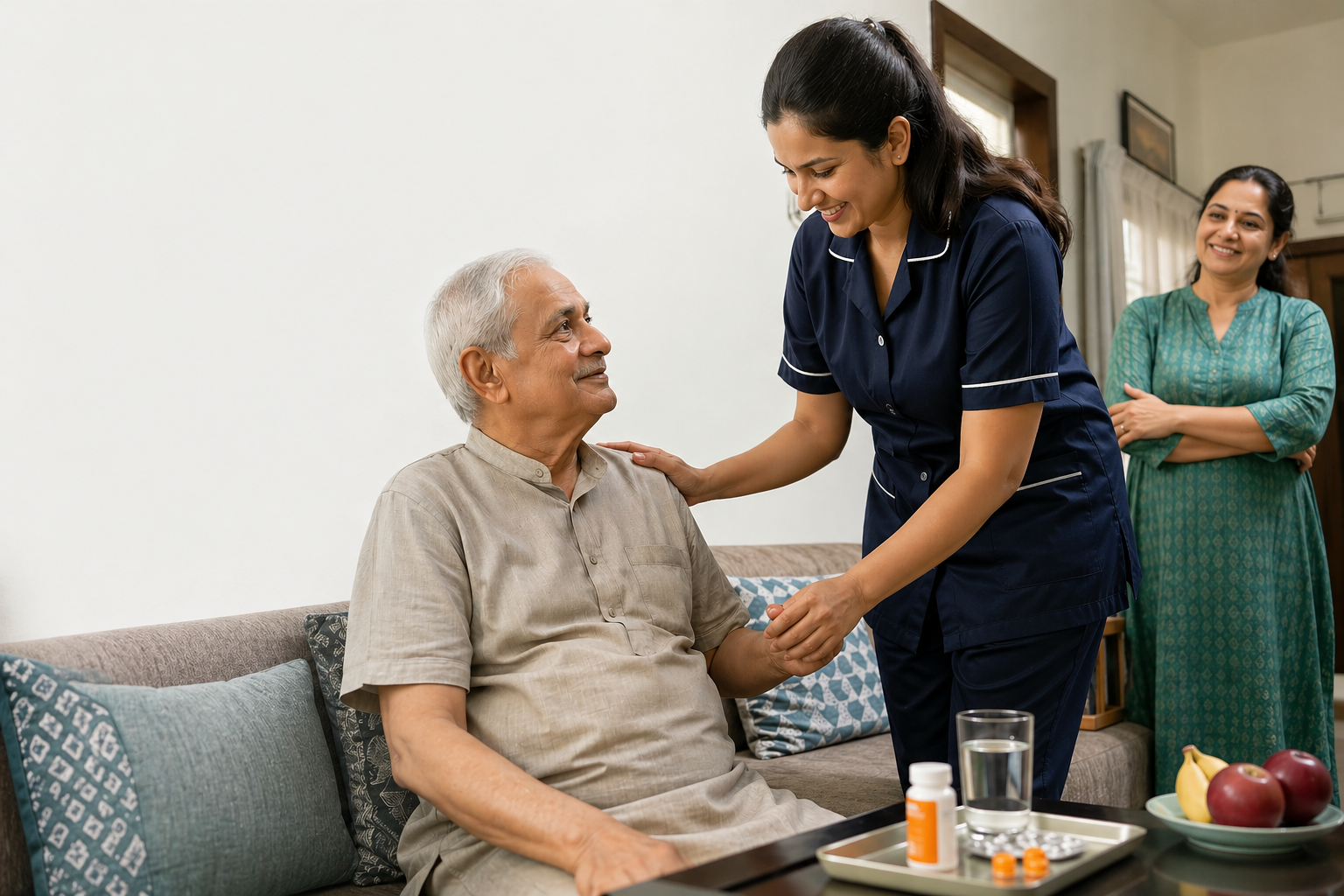
Many Indian families are choosing home elder care over institutional facilities because it allows aging parents to receive professional support while remaining in familiar, comfortable surroundings with family involvement. Home-based care offers personalized attention tailored to individual needs, maintains seniors’ dignity and independence, provides flexible scheduling, and significantly reduces costs compared to hospital stays or assisted living facilities. Beyond financial advantages, home care prioritizes emotional well-being by reducing isolation and stress. However, families should understand both cost considerations and care benefits before arranging elder care at home to make informed decisions about their parents’ health and security.

What Is Home Elder Care in India

Home elder care in India refers to professional or trained caregiving support provided to aging parents in their own homes, allowing seniors to maintain independence while receiving necessary assistance. This model combines family involvement with skilled professional support for personal care, health monitoring, and daily living activities. Unlike institutional settings, home care enables seniors to stay connected to their environment, maintain family relationships, and preserve their sense of identity and autonomy. Common services provided through home elder care include:
  • Assistance with personal hygiene, bathing, and grooming
  • Mobility and walking support to prevent falls
  • Meal preparation, feeding, and nutrition assistance
  • Medication reminders and organized pill management
  • Bathroom assistance and incontinence care
  • Emotional companionship and mental engagement
  • Light household tasks and cleaning support
  • Health monitoring and vital sign tracking
Service Purpose Benefit for Seniors
Personal Care Assistance Help with hygiene and grooming Maintains dignity, prevents infections
Medication Management Reminders and dose tracking Prevents dangerous missed doses
Mobility Support Assistance with walking and movement Reduces fall risk, maintains strength
Companionship Services Conversation and engagement Combats loneliness, improves mental health
Health Monitoring Tracking vital signs and symptoms Early detection of health issues
Meal Preparation Nutritious food planning and cooking Ensures proper nutrition and hydration

Why Families Prefer Home Elder Care Instead of Institutions

Indian families have traditionally valued keeping aging parents within the family home, and modern professional home elder care services now make this possible while ensuring proper medical oversight. Beyond cultural preferences, families recognize that home care provides seniors with emotional comfort, personalized attention, and better quality of life outcomes compared to nursing homes or assisted living facilities. Research indicates that seniors living at home with professional support show better mental health outcomes, improved medication compliance, and fewer behavioral issues related to institutional adjustment. According to HelpAge India’s 2023 research study, approximately 65 percent of Indian families prefer home-based elder care when affordable professional caregivers are available, citing preservation of family bonds and senior independence as primary reasons. The familiarity of home environment reduces anxiety and confusion, particularly for seniors with memory concerns, making professional home care an evidence-based choice for family well-being.

Major Benefits of Elder Care at Home

Home-based elder care provides multiple emotional, physical, and practical advantages for both seniors and their families. When aging parents receive professional support in familiar surroundings, they experience better health outcomes, improved emotional well-being, and stronger family connections while maintaining their independence and dignity. Key benefits include:
  • Independence and Dignity: Seniors remain in their own homes, making personal decisions, maintaining routines, and preserving autonomy
  • Familiar Environment: Staying in known surroundings reduces stress, confusion, and anxiety, particularly beneficial for seniors with cognitive concerns
  • Personalized Care Plans: Care routines are customized to individual preferences, health needs, and family schedules rather than institutional protocols
  • Family Involvement: Family members can participate in caregiving decisions and maintain regular interaction without institutional visiting restrictions
  • Cost Efficiency: Home care typically costs significantly less than hospital stays, ICU care, or full-time assisted living facilities
  • Reduced Infection Risk: The home environment has lower exposure to hospital-acquired infections and communicable diseases
  • Mental Health Support: Companionship and engagement through home care reduce depression, loneliness, and cognitive decline
  • Flexible Scheduling: Care hours can adapt to family needs, allowing family members to participate in caregiving responsibilities

Cost of Elder Care Services in India

The cost of elder care services in India varies significantly based on caregiver qualifications, care intensity, medical requirements, and geographic location. Understanding pricing structures helps families budget appropriately and compare care options.
Care Type Average Monthly Cost Best Suited For
Part-Time Caregiver (4 to 6 hours daily) ₹8,000 to ₹15,000 Seniors needing meal prep and companionship
Full-Time Caregiver (24 hours with breaks) ₹18,000 to ₹35,000 Seniors needing mobility and personal care
Medical Caregiver (trained in health monitoring) ₹25,000 to ₹50,000 Seniors with chronic conditions or post recovery
Specialized Care (dementia, post-surgery) ₹35,000 to ₹60,000 and above Seniors with complex medical needs
Cost influencing factors:
  • Caregiver Experience: Certified caregivers with nursing training cost more than general care assistants
  • Hours Required: Full-time 24-hour care is significantly more expensive than part-time support
  • Medical Complexity: Seniors with chronic conditions requiring health monitoring need specialized, higher-cost caregivers
  • Geographic Location: Urban areas like Mumbai, Delhi, and Bangalore have higher caregiver costs than tier 2 cities
  • Agency vs. Independent: Hiring through agencies includes background verification, but costs 20 to 30 percent more than individual caregivers
Professional home elder care remains substantially more affordable than hospital ICU stays (₹50,000 to ₹200,000 and above daily), assisted living facilities (₹30,000 to ₹100,000 monthly), or nursing homes in India, making it an economically sensible choice for long-term senior care.

How Home Care Supports the Emotional Well-being of Seniors

Emotional well-being directly impacts physical health, medication compliance, and longevity in aging adults. Professional home care addresses psychological needs alongside physical care, significantly improving seniors’ quality of life and overall health outcomes. Research published by the American Psychological Association demonstrates that seniors with regular social engagement and companionship show measurably better cognitive function and reduced mortality rates. Emotional well-being benefits include:
  • Reduced Loneliness: Regular companion interaction combats isolation, a major health risk factor for seniors
  • Maintained Identity: Staying at home with personal belongings and routines preserves a sense of self and life continuity
  • Family Connection: Home-based care doesn’t restrict family visits; families can participate in meals, activities, and decision-making
  • Autonomy and Control: Seniors maintain choices about daily routines, meals, activities, and personal preferences
  • Cognitive Stimulation: Caregivers can facilitate conversations, games, reading, and activities that maintain mental engagement
  • Reduced Institutional Anxiety: Home environment eliminates stress from unfamiliar settings, institutional rules, and loss of privacy
  • Dignity in Care: Personal care in one’s own home maintains privacy and respect compared to institutional settings
  • Sense of Purpose: Continued family involvement and home management help seniors feel valued and connected to family life
Studies show seniors receiving home-based care with regular companionship demonstrate lower depression rates, improved cognitive function, and better medication adherence compared to those in institutional settings.

How Families Can Choose the Right Caregiver

Selecting an appropriate caregiver is the most critical decision in arranging successful home elder care. The right caregiver ensures your senior parent’s safety, health, and happiness while providing peace of mind for entire families. When learning about How to Choose a Trusted Caregiver for Elderly Parents at Home, families should evaluate multiple factors beyond basic availability to ensure quality care that matches their parent’s specific needs and family values. Essential evaluation criteria:
  • Background Verification: Confirm caregiver identity, address, references, and absence of criminal history
  • Caregiving Experience: Prioritize caregivers with documented experience in senior care, specific health conditions, or mobility assistance
  • Communication Skills: Assess ability to listen, follow instructions, communicate health changes, and interact respectfully with seniors
  • Physical Capability: Ensure the caregiver has the strength and mobility for assistance tasks without personal health limitations
  • Reliability and Punctuality: Check references regarding consistency, dependability, and professional commitment
  • Compassion and Patience: Observe interactions with your senior; caregiving requires genuine empathy and emotional intelligence
  • Health Requirements: Verify vaccinations, health screening, and hygiene practices to protect senior wellbeing
  • Problem Solving Ability: Choose caregivers who think independently and respond appropriately to unexpected situations
According to resources from Helping Hands Home Care, careful vetting of caregivers typically takes 2 to 3 weeks but significantly increases satisfaction and safety outcomes compared to rushed hiring decisions. Taking time to properly evaluate potential caregivers prevents mismatches that can compromise your senior’s comfort and security.

Safety and Health Monitoring in Home Elder Care

Safety and continuous health monitoring form the foundation of quality home elder care. Professional caregivers implement preventive measures and early detection systems that reduce emergencies and hospitalizations while keeping seniors secure. Families implementing How to Ensure Safety and Health Monitoring for Seniors at Home create protective environments that allow seniors to maintain independence while minimizing risks associated with aging. Fall Prevention Strategies:
  • Remove household hazards like loose rugs and cluttered pathways
  • Install grab bars in bathrooms and handrails on stairs
  • Ensure adequate lighting in all rooms and hallways
  • Assist with mobility and movement to prevent unsteady falls
Medication Management:
  • Organize medications in labeled containers with clear timing
  • Set reminders for all doses to prevent dangerous omissions
  • Monitor side effects and allergic reactions
  • Maintain updated medication lists for doctors
Chronic Condition Monitoring:
  • Track blood pressure, blood sugar, and oxygen levels regularly
  • Monitor for symptom changes indicating health deterioration
  • Encourage compliance with prescribed treatments
  • Maintain appointment schedules with specialists
Emergency Preparedness:
  • Keep emergency contact numbers easily accessible
  • Teach caregivers emergency response procedures
  • Install medical alert systems for falls or health crises
  • Establish communication protocols with family members
The World Health Organization (WHO) guidelines on aging emphasize that home-based monitoring prevents approximately 40 percent of preventable senior hospitalizations through early intervention and consistent health observation. Comprehensive safety protocols create peace of mind for families while enabling seniors to age safely at home.

How NRI Families Benefit from Professional Elder Care Services

NRI families supporting aging parents in India face unique challenges in managing caregiving from distant locations. Professional home elder care services bridge this gap, providing reliable support and regular communication that replaces physical presence. Understanding What Challenges NRI Families Face Caring for Parents in India helps families recognize why professional services are invaluable for maintaining parent wellbeing across geographic distances. NRI Focused Care Solutions:
  • Reliable Caregivers: Vetted professionals provide consistent daily support and supervision
  • Health Update Communication: Regular reports, photos, and video calls keep NRI families informed
  • Medication and Doctor Coordination: Caregivers manage appointments, prescriptions, and health records
  • Financial Management: Families can arrange payments directly to agencies, simplifying remote management
  • Emergency Response: Professional services have immediate response protocols for health crises
  • Video Monitoring: Some services offer optional video check-ins for family peace of mind
  • Cultural Continuity: Caregivers facilitate family traditions and language continuity despite physical distance
NRI families report significantly reduced stress and guilt when professional caregivers provide daily oversight, eliminating constant worry about whether parents are receiving adequate support, proper meals, and timely medications. Many NRI-focused care platforms like Care.com and Urban Company now offer specialized services for families managing parents in India. These platforms connect families with vetted caregivers who understand the specific needs of aging parents while managing expectations across time zones and distances.

When Families Should Consider Professional Home Care Support

Many families delay professional caregiving support until situations become overwhelming, crisis-driven, or unsafe. Recognizing appropriate timing for professional intervention protects both seniors and family caregivers from burnout and health risks. Understanding When Do Elderly Parents Need Professional Care Support at Home helps families make proactive decisions rather than reactive emergency interventions. Consider professional services when: Physical Care Indicators:
  • Seniors struggle with bathing, toileting, or personal hygiene
  • Mobility limitations make walking, climbing stairs, or transferring difficult
  • Medication management becomes confusing or forgotten
  • Meal preparation and cooking become unsafe or neglected
Health Complexity Signs:
  • Multiple chronic conditions require daily monitoring
  • The recent hospital discharge needs recovery supervision
  • Post-surgical care demands professional wound or medication management
  • Cognitive decline makes self-care decisions unsafe
Family Caregiver Stress:
  • Primary caregivers report physical exhaustion or health decline
  • Work responsibilities prevent adequate supervision
  • Family conflicts arise around caregiving duties
  • Caregivers feel overwhelmed managing multiple parental needs
Senior Independence Concerns:
  • Falls increase despite home modifications
  • Wandering or unsafe behaviors emerge
  • Seniors neglect self-care or nutrition
  • Social isolation and depression worsen despite family involvement
Early professional involvement prevents crises, maintains senior safety, and protects family relationships by preventing caregiver burnout. The National Council on Aging recommends assessment by healthcare professionals when seniors show multiple indicators, rather than waiting for critical situations. Proactive engagement with professional caregivers transforms caregiving from crisis management into sustainable, quality-focused support.

Family Decision Making: What You Need to Know

Before arranging elder care at home in India, families benefit from understanding the comprehensive considerations involved in this important decision. Your family should review the essential information about home-based senior care, explore your specific caregiver selection needs through the detailed guidance in How to Choose a Trusted Caregiver for Elderly Parents at Home, evaluate safety protocols required for your parents’ health conditions, and understand how to monitor care quality over time. Each family’s situation differs based on senior health status, financial capacity, geographic location, and family availability. Taking time to research options thoroughly, visiting potential caregivers in person when possible, and establishing clear expectations before care begins prevent complications and ensure positive outcomes for all involved. Understanding your family’s unique circumstances helps you make decisions that prioritize both your senior’s wellbeing and your family’s capacity for sustainable caregiving support.

Common Concerns Families Have About Home Elder Care

Families considering home elder care often have legitimate concerns about reliability, costs, and senior safety. Addressing these concerns with practical solutions helps families make confident decisions about implementing professional home care.

Caregiver Reliability Concerns:

Concern: Will the caregiver show up consistently? Solution: Hire through reputable agencies with backup caregivers, conduct thorough background verification, and establish clear professional agreements with consequences for unreliability. Agencies provide accountability and replacement options when independent caregivers become unavailable.

Cost Affordability:

Concern: Can we afford professional care long-term? Solution: Start with part-time care for essential tasks, explore insurance coverage options, compare agency and individual caregiver pricing, and assess whether home care actually costs less than medical emergencies from inadequate supervision. Many families find that preventive home care reduces overall healthcare expenses.

Quality of Care:

Concern: How do we ensure seniors receive proper care? Solution: Conduct regular check-ins with seniors, observe caregiver interactions, request periodic reports, and maintain open communication channels with both caregivers and seniors about satisfaction and concerns. Regular monitoring ensures care quality while building trust over time.

Medical Emergency Response:

Concern: What happens if a health crisis occurs at home? Solution: Train caregivers in emergency procedures, maintain updated emergency contact lists, consider medical alert systems, and ensure caregivers know when to contact doctors or call emergency services. Preparation and clear protocols minimize response times during critical situations.

Privacy and Comfort:

Concern: Will seniors feel comfortable with strangers in their homes? Solution: Provide detailed caregiver introductions before services begin, establish clear boundaries regarding privacy, conduct trial periods before committing long term, and prioritize caregivers with personality compatibility. Gradual relationship building helps seniors adjust to caregiver presence.

Family Guilt or Control Issues:

Concern: Will professional care replace family responsibility? Solution: Recognize professional care supplements, rather than replacing, family involvement; schedule regular family interactions; involve seniors in care decisions; and maintain active participation in health management and social activities. Professional caregivers enable rather than diminish family relationships.

Frequently Asked Questions

Q1: Why do families prefer elder care at home in India?

Indian families prefer home-based senior care because it preserves independence, maintains family bonds, provides personalized attention, and costs less than institutional facilities. Seniors remain in familiar environments, reducing stress and confusion while receiving professional support alongside family involvement. Cultural preferences for family-centered caregiving further reinforce home care popularity across generations and socioeconomic backgrounds.

Q2: How much does home elder care cost in India?

Monthly costs range from ₹8,000 to ₹15,000 for part-time care to ₹35,000 to ₹60,000 and above for specialized medical caregiving. Expenses depend on caregiver qualifications, care hours required, medical complexity, and geographic location. Home care remains significantly more affordable than hospital ICU stays or assisted living facilities, making it economically advantageous for families.

Q3: Is home care better than nursing homes for seniors?

Home care generally provides better emotional outcomes, greater independence, personalized attention, and lower costs than nursing homes. Seniors maintain familiar surroundings, family connections, and autonomy while reducing exposure to institutional stress and hospital-acquired infections. However, some complex medical cases may benefit from facility-based care with specialized medical equipment and round-the-clock nursing staff.

Q4: What services do home caregivers provide?

Professional caregivers offer personal hygiene assistance, mobility support, meal preparation, medication reminders, health monitoring, companionship, bathroom assistance, and light household tasks. Services are customized to individual needs, ranging from basic companionship to specialized post-surgical or dementia care support. Discussing specific services with caregivers ensures alignment with your senior’s actual care requirements.

Q5: How can NRI families arrange elder care in India?

NRI families should hire through established agencies offering health monitoring, regular updates, video communication, and emergency protocols. Professional services provide reliable caregivers, medication management, doctor coordination, and peace of mind despite physical distance. Direct payments and transparent reporting keep NRI families informed about parent wellbeing, bridging the geographic gap through consistent professional communication.

Conclusion

Home elder care in India represents a compassionate, practical solution for families balancing senior wellbeing with economic realities. By enabling aging parents to receive professional support in familiar, comfortable home environments, families preserve independence, dignity, and emotional connections while significantly reducing long-term care costs. The financial advantages, with monthly expenses substantially lower than hospitals or assisted living, combined with documented emotional and physical health benefits, make home-based care an increasingly popular choice among Indian families, whether living nearby or supporting parents as NRI families from abroad.
Popular Tags :

Leave A Comment

Need Any Helps ?

Get More Consultations