

Our Blog Details

  • Post By
  • Date
    May 21, 2026
  • Comments
    0
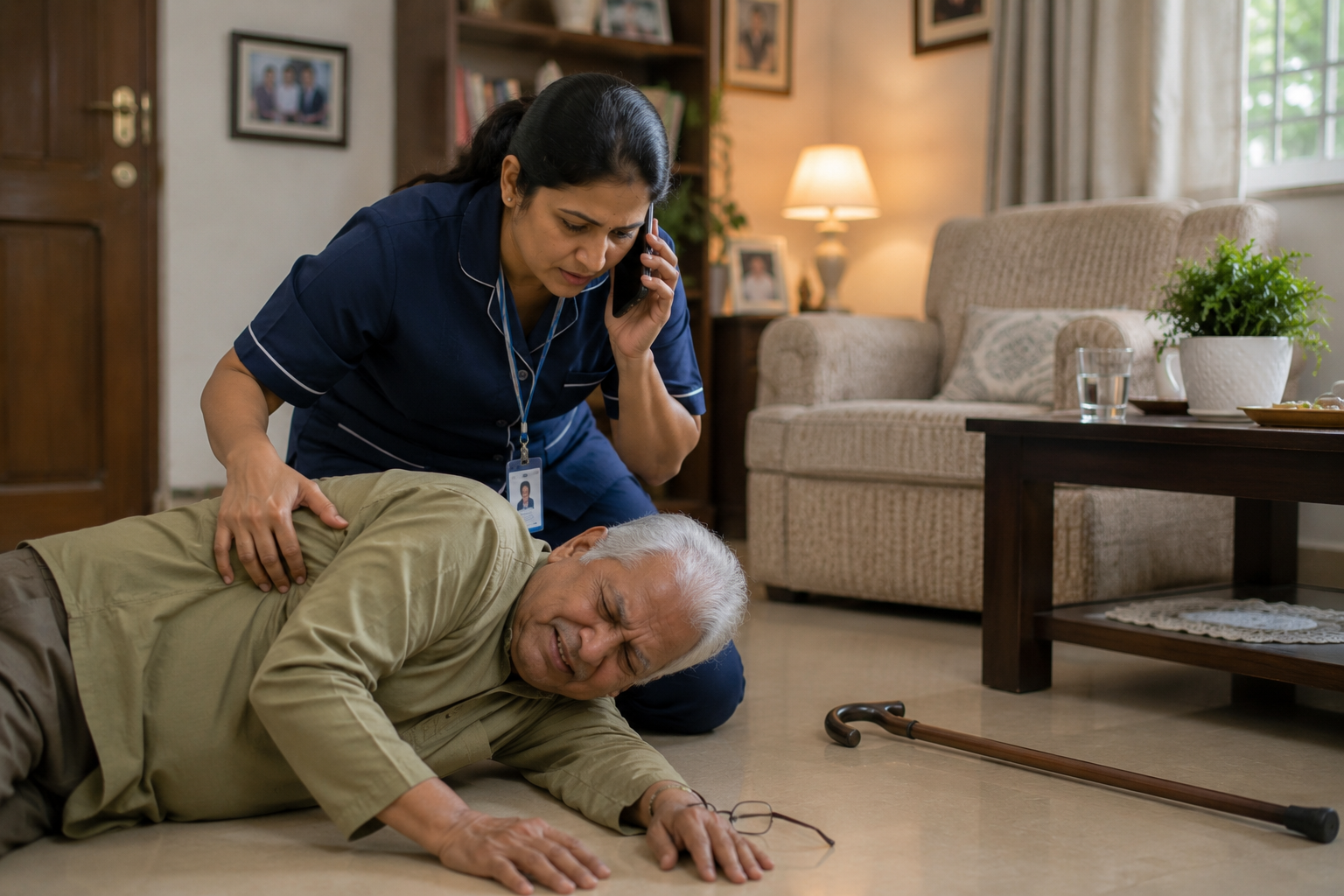
Elderly parents need emergency care support at home when they experience falls, sudden illness, breathing difficulties, medication complications, severe mobility challenges, or rapidly worsening chronic health conditions. Timely caregiving assistance and proper emergency planning help families respond effectively while protecting senior safety and well-being during critical health situations. Emergency preparedness reduces risks and ensures appropriate responses during health crises. How Families Can Manage Elderly Care Services at Home in India provides detailed guidance on coordinating comprehensive care, including emergency support systems.

What Emergency Care Support Means for Elderly Parents

Emergency care support involves immediate assistance during health crises, rapid symptom assessment, coordination with medical services, and trained response protocols. Professional caregivers provide critical intervention that bridges the gap between emergency onset and hospital care when needed.
Emergency Situation Immediate Support Needed Why It Matters
Sudden fall Injury assessment, mobility assistance, pain management Prevents secondary injuries and ensures proper medical evaluation
Breathing difficulty Oxygen support, position adjustment, and emergency contact Addresses life-threatening respiratory distress quickly
Medication reaction Symptom monitoring, medical consultation, documentation Prevents complications from adverse drug interactions
Severe weakness Safe positioning, hydration, and vital sign monitoring Identifies stroke, heart issues, or infection requiring hospitalization
Confusion or disorientation Safety supervision, reassurance, and medical assessment Detects delirium, infection, or neurological emergencies
Chest discomfort Rest positioning, emergency services contact, family notification Ensures rapid response to potential cardiac events
Emergency care support differs from routine caregiving through its focus on rapid assessment and appropriate escalation. Trained caregivers recognize which situations require immediate hospital transport, medical consultation, versus home management with monitoring. Family members often struggle to assess emergency severity remotely or even when present due to emotional involvement and limited medical knowledge. Professional caregivers provide objective evaluations based on training and experience with elderly health emergencies. Emergency support includes coordinating with emergency medical services, communicating with family members, accompanying seniors to hospitals, providing medical history documentation, and ensuring smooth transitions between home and clinical care settings.

Common Emergencies Seniors May Face at Home

Understanding typical elderly emergencies helps families recognize situations requiring immediate caregiving intervention. Age-related physiological changes make seniors vulnerable to specific health crises.

Falls and related injuries 

Represent the most frequent emergency among elderly individuals. Balance difficulties, vision changes, medication side effects, and environmental hazards contribute to fall risks. Even minor falls can cause fractures, head injuries, or internal bleeding requiring urgent medical attention.

Breathing difficulties 

From respiratory infections, heart failure exacerbations, chronic lung disease complications, or aspiration pneumonia. Seniors may develop dangerous oxygen deprivation quickly, making rapid response essential.

Sudden weakness 

Indicating possible stroke, heart attack, severe infection, or electrolyte imbalances. Weakness affecting one body side particularly, suggests stroke requiring immediate hospital transport.

Medication reactions

Including severe drowsiness, confusion, nausea, irregular heartbeat, or allergic responses. Complex medication regimens increase interaction risks, particularly when new prescriptions are added.

Confusion or memory-related incidents 

Beyond normal patterns suggesting delirium from infections, medication effects, dehydration, or neurological events. Sudden mental status changes always warrant medical evaluation.

Dehydration 

From inadequate fluid intake, excessive heat, illness, or medication effects. Seniors often have diminished thirst sensation, making dehydration common and potentially serious.

Worsening chronic illness symptoms 

Such as uncontrolled diabetes, heart failure complications, COPD exacerbations, or severe arthritis flares. Chronic conditions can deteriorate rapidly without proper monitoring and intervention.

Severe pain 

From injuries, kidney stones, abdominal emergencies, or other acute conditions. Persistent or intense pain requires prompt medical assessment to identify underlying causes.

Gastrointestinal emergencies

Including severe vomiting, diarrhea, bleeding, or constipation leading to bowel obstruction. These situations cause rapid dehydration and electrolyte imbalances in elderly individuals.

Temperature extremes

With hypothermia during cold weather or heat stroke during the summer months. Age-related temperature regulation difficulties increase vulnerability to environmental conditions.

Warning Signs Families Should Never Ignore

Certain symptoms indicate serious health concerns requiring immediate caregiving support and medical attention. Recognizing warning signs enables timely intervention that prevents complications.

Repeated falls 

Signal underlying balance problems, medication issues, vision changes, or neurological conditions. Each fall increases injury risk and may indicate deteriorating health requiring professional assessment.

Sudden confusion 

Or personality changes suggest infections, medication reactions, stroke, or other neurological emergencies. Mental status changes always warrant urgent medical evaluation.

Chest discomfort 

Including pressure, pain, or tightness, potentially indicating cardiac events. Elderly individuals sometimes experience atypical heart attack symptoms, making any chest sensation concerning.

Difficulty walking 

Or sudden mobility changes may reflect stroke, spinal problems, severe arthritis flares, or neurological conditions. Mobility decline affects safety and independence significantly.

Loss of appetite 

Persisting beyond one day suggests depression, medication effects, illness, or dental problems. Inadequate nutrition weakens seniors and slows recovery from other conditions.

Missed medications 

Indicate memory problems, difficulty managing pill schedules, or physical limitations affecting medication access. Medication non-adherence causes dangerous health deterioration.

Extreme fatigue 

Beyond normal tiredness may reflect heart problems, anemia, thyroid issues, depression, or serious infections. Persistent exhaustion requires medical investigation.

Emotional distress 

Including severe anxiety, withdrawal, or expressions of hopelessness. Mental health emergencies deserve the same urgent attention as physical health crises.

Difficulty breathing 

Even at rest signals respiratory or cardiac problems requiring immediate evaluation. Seniors may minimize breathing difficulties, making caregiver observation crucial.

Unexplained bruising 

Or bleeding, suggesting medication side effects, falling incidents, or blood disorders. Documentation and medical review prevent serious complications. Families unsure about symptom severity should consult healthcare providers rather than waiting. How Families Can Choose the Right Elderly Care Services for Aging Parents helps families select caregiving services that include emergency assessment capabilities and medical coordination.

How Caregivers Help During Elderly Emergencies

Professional caregivers provide critical support during health emergencies through training, experience, and calm response protocols. Their presence significantly improves outcomes during senior health crises.

Monitoring symptoms 

Accurately and objectively. Caregivers track vital signs, observe concerning changes, document symptom progression, and recognize when situations require medical intervention versus home management.

Contacting family members 

Promptly with clear information about emergency situations. Caregivers provide factual updates that help families make informed decisions about next steps, particularly important for NRI families managing care remotely.

Coordinating hospital visits 

By calling emergency services when appropriate, gathering essential medical documentation, packing necessary items, and accompanying seniors to emergency departments. This coordination prevents dangerous delays and ensures proper medical history communication.

Assisting mobility 

Safely during emergencies. Moving elderly individuals incorrectly can worsen injuries. Trained caregivers use proper techniques that protect both seniors and themselves.

Maintaining medication schedules 

Even during stressful situations. Caregivers ensure prescription continuity, prevent missed doses, and communicate medication information to emergency medical personnel.

Providing emotional reassurance 

That reduces senior anxiety during frightening health events. Calm caregiver presence helps elderly parents feel safe rather than panicked, which improves physiological responses during emergencies. Consider Mrs. Desai, an 82-year-old with diabetes and heart disease. When she experienced sudden severe weakness and dizziness, her caregiver immediately recognized potential stroke symptoms, called emergency services, contacted Mrs. Desai’s daughter abroad, gathered medical records, and accompanied her to the hospital. The caregiver’s quick assessment and coordinated response enabled timely stroke treatment that minimized permanent damage. Professional caregivers bridge critical gaps during emergencies. They provide immediate assistance while medical help arrives, communicate effectively with healthcare providers, and ensure family members stay informed regardless of geographic distance.

How Families Can Prepare Homes for Emergency Situations

Proactive home modifications and emergency planning significantly improve response effectiveness during senior health crises. Simple preparations make emergencies more manageable.
Home Safety Measure Purpose Benefit for Seniors
Medical alert devices Enable immediate emergency contact Provides security for seniors living alone or between caregiver visits
Emergency contact lists Ensure rapid communication during crises Prevents confusion about who to contact in specific situations
Grab bars and handrails Support safe mobility and fall prevention Reduces fall risks in bathrooms, hallways, and stairs
Adequate lighting Improves visibility throughout home Prevents falls during nighttime bathroom trips
Medication organization systems Maintains clear prescription schedules Reduces medication errors and missed doses
Bathroom safety modifications Reduces fall risks in hazardous areas Enables safer bathing and toileting independence
Clear pathways Eliminates tripping hazards Facilitates safe movement and emergency evacuation
Emergency supply kit Provides essential items during health crises Ensures necessary supplies are available without searching
Emergency contact information should be visible and accessible to caregivers, visiting family members, and emergency responders. Lists must include primary care physicians, specialists, nearby relatives, caregiving agency contacts, and hospitals with seniors’ medical records. Medication lists documenting prescriptions, dosages, timing, and prescribing physicians help emergency medical personnel make appropriate treatment decisions. Include medication allergies and previous adverse reactions. Home safety assessments identify hazards requiring modification. Remove loose rugs, secure electrical cords, improve lighting, install grab bars, and ensure furniture arrangement allows safe movement, including walker or wheelchair use. Emergency supply kits should contain copies of medical records, insurance information, medication lists, emergency contacts, basic first aid supplies, flashlights, and essential comfort items. Accessible kits prevent frantic searching during stressful emergencies. Communication systems enabling seniors to contact help easily matter tremendously. Medical alert pendants, phones with large buttons and speed dials, and intercom systems connecting to caregivers provide security and rapid emergency response.

When Seniors Living Alone Need Additional Emergency Support

Elderly individuals living independently face heightened emergency risks without immediate assistance availability. Certain situations make professional caregiving support essential for safety. Limited mobility: increases fall risks and reduces the ability to reach phones, access medications, or respond to emergencies independently. Seniors requiring walkers, wheelchairs, or assistance with transfers need regular caregiving presence. Chronic illness: requiring careful monitoring makes professional oversight important. Conditions like heart disease, diabetes, COPD, or kidney disease can deteriorate rapidly without trained observation. Memory challenges: affecting medication adherence, emergency response, or safety awareness. Seniors experiencing cognitive decline may forget to eat, take medications, or recognize dangerous situations. Social isolation: means no natural oversight from neighbors or visitors who might notice health changes or respond to emergencies. Isolated seniors may lie helpless after falls or during illness episodes for extended periods. Delayed medical response risks: in areas with limited emergency service availability. Professional caregivers provide immediate assistance while emergency responders travel to remote locations. Emotional insecurity: from fear of emergencies happening without help available. Anxiety itself affects health and wellbeing. When Do Seniors Need Companion Care at Home? explores how regular caregiver presence provides emotional reassurance alongside practical safety support. Living alone does not necessarily require 24-hour caregiving, but scheduled visits, overnight presence, or medical alert systems create safety nets that enable continued independence while reducing emergency risks.

How NRI Families Can Manage Emergency Support Remotely

Distance creates unique challenges when managing elderly parent emergencies from abroad. Structured systems and reliable local support enable effective remote coordination during health crises. Caregiver coordination: through professional agencies ensures trained personnel provide immediate emergency response while NRI families receive prompt notification and updates. Agency infrastructure maintains coverage even when individual caregivers are unavailable. Emergency contact systems: with clear communication protocols prevent confusion during crises. Designate primary local contacts, establish communication chains, define notification priorities, and ensure multiple family members receive emergency information. Remote health monitoring: through technology including wearable devices tracking vital signs, video monitoring systems, medication reminder apps, and telehealth platforms. Technology supplements caregiver observation with data-driven health insights. Local family involvement: creates backup support beyond professional caregivers. Trusted relatives or friends who can respond to immediate emergencies, attend hospital admissions, and provide in-person family presence during crises offer irreplaceable assistance. Hospital communication: arrangements ensuring healthcare providers contact NRI families directly during emergency situations. Establish medical power of attorney, provide hospital contact information to caregivers, and arrange interpretation services if language barriers exist. Regular caregiving updates: through scheduled reports, daily messaging, and video conferences, help NRI families monitor parent wellbeing and recognize concerning changes before they become emergencies. How NRI Families Can Support Aging Parents in India provides comprehensive guidance for coordinating care from abroad, including emergency planning strategies that enable effective remote management during health crises. Time zone differences complicate real-time emergency communication. Establish protocols for urgent situations requiring immediate contact versus less critical concerns that can wait for regular communication windows. Ensure caregivers understand which situations warrant middle-of-the-night calls to family members abroad. Financial arrangements enabling rapid emergency response matter significantly. Maintain accessible funds for emergency medical care, hospital admissions, or additional caregiving support during health crises without bureaucratic delays.

Common Mistakes Families Make During Elderly Emergencies

Well-intentioned families sometimes make decisions that compromise elderly parent safety during emergencies. Understanding common errors helps families respond more effectively during health crises. Delaying medical attention, hoping symptoms will improve spontaneously. Seniors deteriorate more quickly than younger individuals, making early intervention crucial. When uncertain about symptom severity, seek professional medical evaluation rather than waiting. Poor emergency planning before crises occur. Families often fail to establish emergency contacts, prepare medical documentation, or arrange caregiver support until faced with urgent situations. Proactive planning during calm periods enables effective responses during stressful emergencies. Lack of caregiver communication about parent’s health status. Families sometimes assume caregivers will automatically notify them about concerning changes. Explicit communication protocols prevent dangerous information gaps. Ignoring small warning signs until they become serious emergencies. Subtle changes like appetite decline, increased fatigue, minor confusion, or small balance problems often precede major health events. Addressing early warnings prevents crises. Not arranging professional support early enough, instead depending on family members or neighbors for complex medical situations. Informal caregivers rarely have training to recognize serious symptoms or respond appropriately during emergencies. Minimizing symptoms due to normalcy bias or reluctance to “overreact.” Elderly health can deteriorate rapidly, making cautious responses wiser than dismissive approaches. Inadequate medication oversight leads to dangerous interactions, missed doses, or confusion about prescriptions. Medication errors cause preventable emergencies requiring hospitalization. Failing to accompany seniors to emergency departments. Elderly individuals often struggle to communicate medical histories, understand treatment plans, or advocate for themselves during stressful emergency situations. Poor documentation of symptoms, medications, and medical history. Emergency medical personnel make better treatment decisions with accurate, comprehensive information. Panicking rather than following emergency protocols, which leads to confusion, poor decisions, and delayed appropriate responses. Established emergency plans prevent chaos during health crises. Learning from these common mistakes helps families create more effective emergency response systems that genuinely protect elderly parents’ safety and well-being.

Conclusion

Understanding when elderly parents need emergency care support at home helps families prepare proactively rather than react during crises. Recognizing warning signs early, arranging professional caregiving assistance, preparing homes for emergency situations, and establishing clear communication protocols significantly improve outcomes during senior health emergencies. Emergency preparedness combines practical safety modifications, trained caregiver presence, family coordination, and medical system integration. Families who implement these systems before crises occur respond more effectively while reducing anxiety for both elderly parents and adult children managing care responsibilities. Professional caregivers provide invaluable emergency support through symptom monitoring, rapid assessment, appropriate escalation, hospital coordination, and family communication. Their training and experience bridge critical gaps between emergency onset and medical intervention, particularly important for seniors living alone or families coordinating care remotely. Proactive planning demonstrates genuine care while protecting elderly parent safety, independence, and wellbeing during vulnerable health moments.

Frequently Asked Questions (FAQs)

What are the most common emergencies elderly parents face at home?

Common emergencies include falls causing injuries, breathing difficulties from respiratory or cardiac issues, sudden weakness potentially indicating stroke, medication reactions, severe confusion, dehydration, and worsening chronic illness symptoms. Professional caregivers trained in emergency recognition provide immediate appropriate responses while coordinating medical care.

How do caregivers recognize when elderly emergencies require hospital care?

Trained caregivers assess symptom severity, monitor vital signs, evaluate consciousness levels, observe breathing patterns, and check mobility changes. Situations requiring hospitalization include chest pain, breathing difficulty, sudden weakness, severe confusion, uncontrolled bleeding, suspected fractures, or symptoms suggesting stroke or heart attack.

Can families manage elderly emergencies without professional caregiving support?

Families can respond to emergencies, but professional caregivers offer medical training, objective assessment, emergency protocol knowledge, and coordination experience that family members typically lack. Caregiver presence particularly benefits seniors living alone, those with chronic conditions, or families managing care remotely from abroad.

How should NRI families prepare for elderly parent emergencies in India?

Arrange professional caregiving services with emergency response capabilities, establish clear communication protocols, create emergency contact lists, ensure medical documentation accessibility, designate local emergency contacts, arrange medical alert systems, and maintain financial resources for urgent medical care without bureaucratic delays.

What home safety changes prevent elderly emergencies?

Install grab bars in bathrooms, improve lighting throughout the home, remove tripping hazards, organize medications clearly, ensure emergency contact accessibility, add medical alert devices, secure loose rugs, arrange furniture for safe mobility, and modify bathrooms with non-slip surfaces and raised toilet seats.
Popular Tags :

Leave A Comment

Need Any Helps ?

Get More Consultations