

Our Blog Details

  • Post By
  • Date
    June 20, 2026
  • Comments
    0
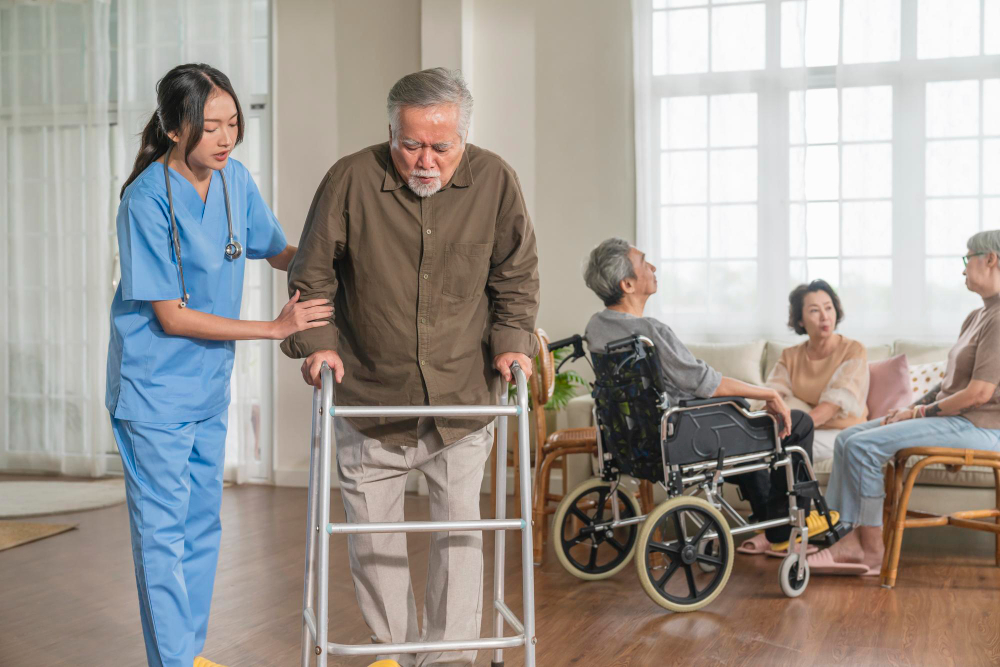
It is 11:30 PM. Your father, who lives alone in his Powai flat, has not answered his phone in three hours. The last time this happened, he had fallen in the bathroom and lay there for four hours before a neighbour heard him call out. Tonight, you do not know what is happening. You are in Pune, 180 kilometres away.   This is the scenario that every family with an elderly parent living alone in Mumbai fears. And it is far from rare. Falls are the leading cause of injury-related death among the elderly in India. Cardiac emergencies, strokes, diabetic crises, and severe medication reactions can all strike without warning. For elderly parents living alone, the critical factor is not whether an emergency will happen, but whether there is a professional system in place to respond when it does. This guide explains what professional emergency care for the elderly at home in Mumbai looks like, what the most common emergencies are, how to prepare before a crisis, and how Pranyaas’s emergency care system works.

The Most Common Emergencies Among the Elderly in Mumbai

Emergency Type Warning Signs Immediate Action Required
Falls Disorientation, inability to get up, sudden pain, swelling Do not move unless necessary; check for injury; call emergency care
Cardiac Emergency Chest pain, shortness of breath, arm pain, sweating, pale skin Call ambulance immediately; begin CPR if trained
Stroke Sudden face drooping, arm weakness, speech difficulty (FAST test) Emergency ambulance; note time of first symptom for treatment window
Diabetic Crisis Confusion, sweating, shaking (low blood sugar); excessive thirst, frequent urination (high) For hypoglycaemia: glucose immediately; for hyperglycaemia: medical intervention
Severe Medication Reaction Rash, breathing difficulty, dizziness, unconsciousness after new medication Emergency services; bring medication packaging
Respiratory Distress Wheezing, inability to breathe, blue lips or fingernails Ambulance; sit upright; do not lay flat
Confusion or Disorientation Sudden inability to recognise surroundings, aggressive behaviour, extreme agitation Professional care assessment; may indicate delirium, UTI, or neurological event
 

Why Mumbai Presents Unique Emergency Challenges for Elderly

Traffic and Ambulance Response Times

Mumbai’s traffic is among the densest in India. During peak hours, an ambulance may take 20 to 45 minutes to reach a patient in areas like Andheri, Kurla, or Thane, even when dispatched promptly. For time-critical emergencies like cardiac arrest (where brain damage begins within 4 minutes) and stroke (where treatment must begin within the “golden hour”), this delay can be fatal. Professional elder care providers who already have personnel in the parent’s neighbourhood can respond significantly faster than an ambulance dispatched from a central location.

Living Alone

A large percentage of Mumbai’s elderly population lives alone, particularly among NRI families whose children have moved abroad and widowed spouses. When no one is present during an emergency, the time between the onset of the emergency and the point when help arrives depends entirely on whether the parent can call for help themselves, and whether there is a professional responder to receive that call.

Building Access

Mumbai’s apartment culture means that emergency responders often face delays due to intercom systems, security guards, locked building gates, and lift access. A professional care team that has pre-established building access protocols and knows the parent’s building layout can respond significantly faster.

Hospital Navigation

Choosing the right hospital for the right emergency, navigating admission procedures, coordinating insurance documentation, and communicating with doctors in a crisis requires knowledge and presence of mind that is difficult for an elderly person to manage alone, and impossible for a distant family member to coordinate effectively.

Six Components of Professional Emergency Care for the Elderly

1. 24/7 Emergency Response Line

The foundation of professional emergency care is a dedicated emergency line staffed by trained professionals around the clock. Your parent dials one number. A trained responder answers immediately. This is different from calling 112 (India’s emergency number), which, while improving, still has inconsistent response quality in different parts of Mumbai.

2. Immediate Care Manager Dispatch

A dedicated Care Manager who knows your parent, their medical history, their building, and their emergency contacts is dispatched immediately when an emergency call is received. This person arrives at the scene, stabilises the situation, calls the ambulance if needed, and manages the entire response on the ground.

3. Pre-Established Medical Relationships

A professional elder care provider maintains relationships with hospitals, emergency clinics, and specialist doctors across Mumbai. This means faster hospital admission, better triage outcomes, and more effective communication between the care team and treating doctors during a crisis.

4. Real-Time Family Notification

From the moment an emergency is identified, the family receives real-time updates: what happened, who has responded, where the parent is being taken, what the doctors are saying, and what they need. For NRI families especially, this transparency is what makes it possible to manage a crisis from abroad without being physically present.

5. Post-Emergency Care Coordination

Emergencies do not end at the hospital. Post-discharge care planning, medication adjustments, physiotherapy arrangement, follow-up doctor appointments, and home environment safety reviews are all part of a comprehensive emergency care response. Without this, re-hospitalisation rates among the elderly are extremely high.

6. Emergency Fund Activation

Pranyaas’s Emergency Fund Assistance ensures that your parent never faces a situation where urgent medical care is delayed due to unavailable funds. The Emergency Fund is pre-loaded and managed by Pranyaas, immediately accessible when needed.

During an Emergency: What to Do

If Your Parent Can Call for Help

  1. Call the professional care emergency line (single number, 24/7)
  2. State what is happening and the location clearly
  3. Stay on the line until help arrives
  4. Unlock the front door if possible (so the care team and ambulance can enter)
  5. Do not eat or drink anything if there is any possibility of surgery

If Your Parent Cannot Call for Help

This is why proactive check-in systems matter. Pranyaas’s Care Managers conduct scheduled check-in calls at set times each day. If your parent does not answer, the Care Manager initiates an escalation protocol immediately, including a physical welfare check at the home.

For Family Members Receiving an Emergency Notification

  1. Contact the Care Manager immediately for a full situation briefing
  2. Confirm the Care Manager is on the ground and has reached the parent
  3. Ask for the name of the hospital the parent is being taken to (if applicable)
  4. Arrange to join a call with the treating doctor when possible
  5. Do not make travel arrangements until you have a full picture of the situation’s severity

After the Emergency: Recovery and Prevention

The immediate emergency is only the first chapter. What happens in the days and weeks after hospitalisation often determines whether a full recovery is made or whether a downward health spiral begins. Post-emergency actions the Care Manager handles:
  • Hospital discharge coordination: understanding discharge instructions and arranging home-based follow-up care
  • Medication review: ensuring new prescriptions are filled, old ones are adjusted, and the parent understands the new regimen
  • Physiotherapy arrangement: particularly important after falls, strokes, or cardiac events
  • Home safety review: identifying and correcting whatever hazard contributed to the emergency
  • Increased monitoring frequency: elevating care intensity during the recovery period
  • Family update calls: more frequent communication with the family during the recovery window

Conclusion

Emergency preparedness is not pessimism; it is love made practical. The families who have the smoothest, least traumatic emergency experiences are those who put a professional care system in place before the emergency happens, not after. Mumbai’s elderly population deserves more than luck when something goes wrong. They deserve a trained professional who responds immediately, a Care Manager who knows their history, and a family who receives real-time updates instead of silence. Pranyaas’s emergency care system provides exactly this.

Frequently Asked Questions

What is the emergency response time for Pranyaas in Mumbai?

Pranyaas’s Care Manager is dispatched immediately when an emergency is reported. Response time varies by location but the protocol targets arrival within 15 to 30 minutes in most Mumbai areas. Ambulances are simultaneously coordinated to meet the care team at the location.

What if my parent has a medical emergency in the middle of the night?

Pranyaas operates a 24/7 emergency response line. There is no “off hours” for emergency care. A trained professional answers at any hour, day or night, and initiates the emergency protocol immediately.

Does Pranyaas cover all areas in Mumbai?

Pranyaas currently serves Mumbai city, Navi Mumbai, Thane, and Pune. Coverage within these areas is comprehensive, with Care Managers located across the city’s geographies to minimise response times.

What if my parent falls but is not seriously injured?

Even falls without obvious serious injury require professional assessment. Internal bleeding, hairline fractures, and concussions are not always immediately visible. Pranyaas’s Care Manager will arrange a medical assessment for any fall, regardless of apparent severity.

Should I install a medical alert device for my parent?

Personal emergency response devices (panic buttons) are an excellent complement to professional care, particularly for parents who live alone. Pranyaas can advise on appropriate devices and integrate them into the care plan. However, they are not a substitute for a professional care team: a device can alert, but it cannot respond.

What is the Emergency Fund and how does it work?

The Emergency Fund is a financial reserve managed by Pranyaas on behalf of the family to cover unexpected urgent medical costs without requiring bank transfers or international wire payments in a crisis. The family pre-loads the fund and it is accessed by the Care Manager only when needed, with full transparency and reporting.
Popular Tags :

Leave A Comment

Need Any Helps ?

Get More Consultations