

Our Blog Details

  • Post By
  • Date
    March 31, 2026
  • Comments
    0
Seniors living at home need structured safety and health monitoring that includes fall prevention measures, regular medication tracking, chronic health condition monitoring, emergency preparedness systems, and consistent health check-ins. These safeguards help detect medical issues early, reduce the risk of accidents, and ensure aging parents can live independently with confidence, dignity, and proper support from caregivers and family members.

Why Safety and Health Monitoring Are Important for Seniors Living at Home

As people age, their bodies become more vulnerable to injuries, chronic illnesses, and unexpected health changes. Regular safety and health monitoring becomes essential to protect seniors from preventable accidents, ensure timely medical attention, and support their ability to live independently at home. Several factors make monitoring increasingly important for aging individuals:

Higher risk of falls

Age-related changes in balance, vision, and muscle strength make seniors significantly more prone to falls, which can result in fractures, head injuries, and prolonged hospitalization.

Chronic health conditions

Conditions such as diabetes, hypertension, heart disease, and arthritis require ongoing monitoring to prevent complications and ensure treatment plans remain effective.

Slower recovery from injuries

Seniors heal more slowly than younger adults. A minor injury or illness can escalate quickly without proper observation and timely medical intervention.

Medication management challenges. 

Many seniors take multiple medications daily. Missed doses, incorrect timing, or drug interactions can lead to serious health consequences if not monitored carefully.

Increased vulnerability when living alone. 

Seniors who live alone face a greater risk because no one is present to notice early symptoms, assist during emergencies, or provide daily companionship. According to the World Health Organization (WHO), falls are the second leading cause of accidental injury deaths worldwide, and adults over 60 years of age suffer the greatest number of fatal falls (WHO Fact Sheet on Falls). This statistic highlights why proactive home safety planning is not optional but essential for families with aging parents.

Common Safety Risks Seniors Face at Home

Understanding the most common risks seniors encounter at home allows families to take preventive action before accidents occur. Many of these risks are avoidable with simple modifications, awareness, and consistent monitoring by caregivers or family members. Common safety risks include:

Slips and falls

Wet bathroom floors, loose rugs, cluttered hallways, and uneven surfaces are the leading causes of falls among seniors at home.

Poor lighting

Dimly lit rooms, staircases, and hallways increase the chance of tripping, especially at night when seniors may need to use the bathroom.

Medication errors

Taking the wrong dose, skipping medications, or mixing incompatible drugs can cause serious reactions, particularly for seniors managing multiple prescriptions.

Unattended medical emergencies

A sudden drop in blood pressure, a diabetic episode, or a cardiac event can become life-threatening if no one is present to call for help immediately.

Mobility challenges

Difficulty walking, climbing stairs, or getting in and out of bed without assistance increases the risk of injury during routine daily activities.

Kitchen hazards

Seniors with memory concerns may leave gas stoves on, handle sharp objects unsafely, or forget about food cooking on the stove, creating fire and burn risks. Families who recognize these risks early are better positioned to create a safe home environment and arrange the right level of support. Understanding when families should consider professional home care support helps identify the point where self-managed safety measures need to be supplemented with trained caregiver assistance.

Essential Home Safety Measures for Seniors

Small, practical home modifications can dramatically reduce the risk of accidents and create a secure living environment for seniors. These changes do not require major renovations and can often be implemented within a single day. Key safety improvements include:
  • Grab bars in bathrooms. Installing sturdy grab bars near the toilet, shower, and bathtub provides seniors with stable support and significantly reduces the risk of bathroom falls.
  • Non-slip flooring. Placing non-slip mats in bathrooms, kitchens, and entryways prevents slipping on wet or smooth surfaces.
  • Improved lighting. Bright, consistent lighting in hallways, staircases, bedrooms, and bathrooms helps seniors see clearly and navigate their homes safely, especially at night. Motion sensor lights near beds and bathrooms are particularly helpful.
  • Clutter-free walkways. Removing loose rugs, electrical cords, and unnecessary furniture from walking paths eliminates common tripping hazards.
  • Accessible emergency contacts. Keeping a clearly written list of emergency phone numbers, including doctors, hospitals, neighbours, and family members, in an easily visible location ensures faster response during a crisis.
  • Secured furniture and handrails. Ensuring that furniture is stable, shelves are anchored, and staircases have sturdy handrails prevents tipping accidents and provides support during movement.
Safety Measure Purpose Benefit for Seniors
Grab Bars Prevent falls in bathrooms Improves stability and confidence
Non-Slip Flooring Reduces slip risk on wet surfaces Prevents common household accidents
Emergency Contacts Enables quick response Faster help during medical emergencies
Good Lighting Improves visibility throughout the home Reduces fall risk, especially at night
Clutter Free Walkways Removes tripping hazards Allows safe, unobstructed movement
Secured Furniture Prevents tipping and provides support Creates a stable, reliable environment
These modifications are especially important for seniors who live alone or spend significant portions of the day without family members present.

Health Monitoring Needs for Seniors Living at Home

Regular health monitoring helps detect medical issues early, prevents complications, and gives families accurate information to make informed care decisions. Monitoring should cover both physical health indicators and emotional well-being. Key health monitoring needs include:

Blood pressure monitoring. 

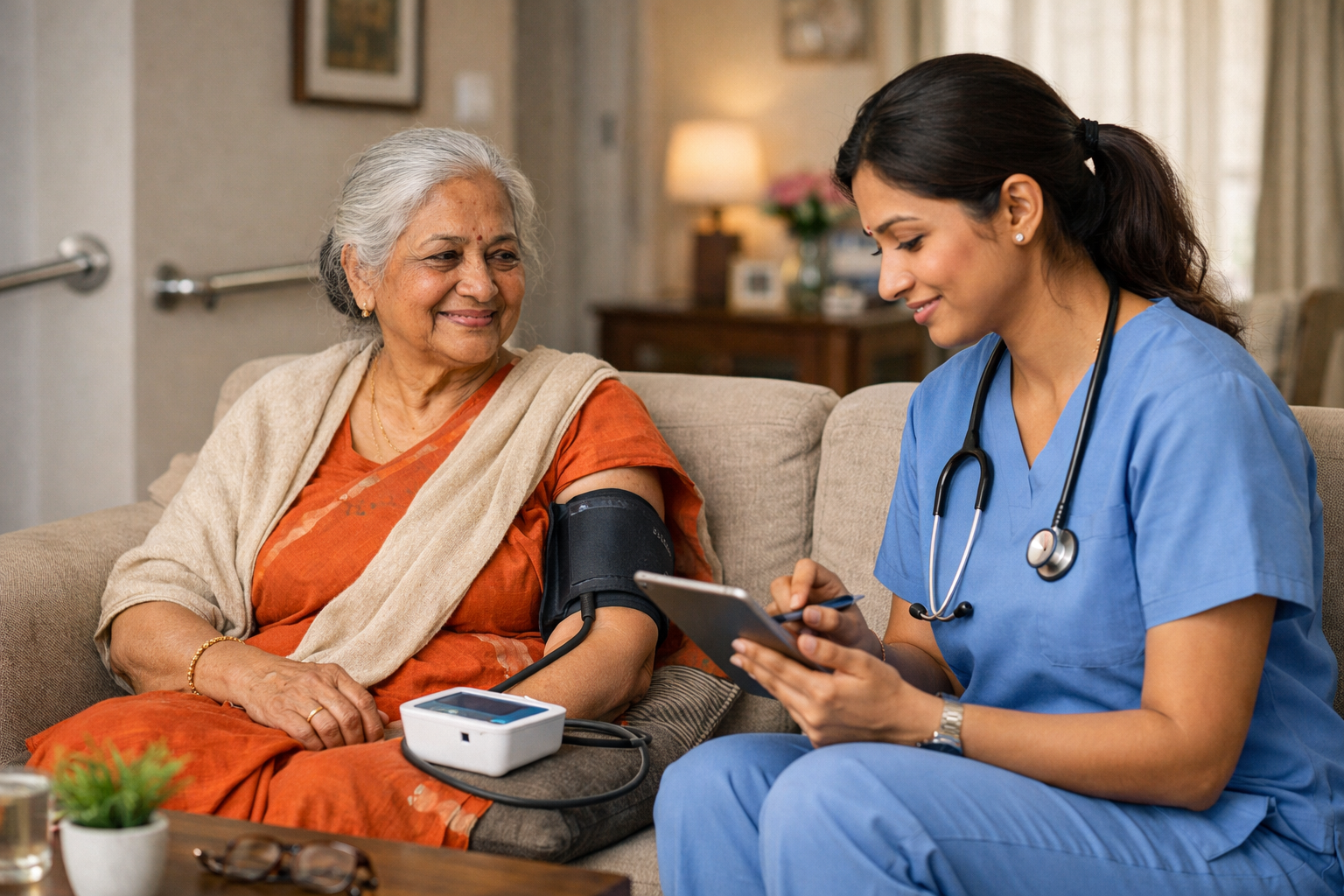
High or fluctuating blood pressure is common among seniors and can lead to strokes or heart attacks if left unchecked. Regular home monitoring with a digital device provides valuable data for physicians.

Diabetes monitoring. 

Seniors with diabetes need consistent blood sugar tracking to maintain safe levels, adjust medications, and avoid dangerous episodes of hyperglycemia or hypoglycemia.

Medication adherence. 

Ensuring that all prescribed medications are taken at the correct time and in the correct dosage prevents adverse reactions and keeps chronic conditions under control.

Regular doctor consultations. 

Scheduled physician visits, either in person or through teleconsultation, allow ongoing assessment of health status, medication effectiveness, and emerging concerns.

Mental health and emotional well-being. 

Depression, anxiety, loneliness, and cognitive decline are common among aging individuals. Monitoring mood changes, social engagement, and cognitive function is just as important as tracking physical health. Before arranging monitoring systems or caregiver assistance, many families first review what families should know before choosing elder care at home, including safety planning, caregiver reliability, and health support systems that help seniors remain secure in their own homes. This preparation ensures that monitoring efforts are part of a comprehensive care plan rather than isolated actions.

How Caregivers Help Monitor Senior Health and Safety

Trained caregivers play a vital role in daily health and safety monitoring for seniors. Their consistent presence, attentive observation, and hands-on support fill critical gaps that technology and family check-ins alone cannot address. Key caregiver responsibilities include:
  • Observing health changes. Caregivers who spend time with seniors daily are often the first to notice changes in appetite, energy levels, skin colour, breathing patterns, or behaviour that may indicate underlying health problems.
  • Reminding seniors to take medications. Consistent medication reminders, along with tracking whether doses were taken correctly, prevent missed or duplicated doses that could lead to complications.
  • Assisting with mobility. Helping seniors move safely around the home, get in and out of bed, and navigate stairs or uneven surfaces reduces fall risk and supports physical independence.
  • Reporting concerns to family members. A reliable caregiver communicates regularly with the family, providing updates on health observations, daily activities, mood, and any incidents that need attention.
  • Ensuring daily safety. Checking that the home environment remains hazard-free, that kitchen appliances are turned off, and that doors and windows are secured are routine but essential safety tasks.
Choosing the right caregiver for this role is critical. Families can benefit from a detailed guide on how to choose a trustworthy caregiver for elderly parents, which explains evaluation criteria, background verification processes, and qualities that make a caregiver both safe and effective. For NRI families managing care from abroad, caregivers also serve as the primary point of contact for daily updates. Families exploring how NRI families can safely care for aging parents in India will find that professional caregiving services provide structured communication that keeps remote families consistently informed.

Technology That Helps Monitor Senior Health at Home

Technology has become a valuable ally in elder care, providing tools that enhance safety, track health data, and enable faster emergency response. When used alongside professional caregiving, technology creates a more comprehensive monitoring system. Useful monitoring technologies include:

Wearable health trackers 

Devices that monitor heart rate, step count, sleep patterns, and blood oxygen levels provide continuous health data that can be shared with doctors and family members.

Emergency alert systems

Wearable panic buttons or home-based alert devices allow seniors to call for help immediately during a fall, medical episode, or any emergency.

Remote health monitoring devices

Digital blood pressure monitors, glucometers, and pulse oximeters enable regular tracking of vitals at home, reducing the need for frequent clinic visits.

Medication reminder apps

Smartphone or tablet-based applications send timely alerts for each medication, helping seniors and caregivers maintain accurate dosing schedules.

Video communication tools

Video calling platforms allow family members, especially those living abroad, to visually check on their parents’ condition, environment, and emotional state during regular conversations.
Technology Purpose Benefit
Emergency Alert Systems Call for help instantly Faster emergency response and rescue
Health Trackers Monitor vitals continuously Early detection of health changes
Medication Reminder Apps Prevent missed or wrong doses Better medication adherence and safety
Remote Monitoring Devices Track blood pressure, sugar, and oxygen Supports informed medical decisions
Video Communication Visual contact with family Emotional reassurance and remote observation
Technology works best when it complements, rather than replaces, human caregiving. A device can alert a family to a problem, but a trained caregiver can respond, comfort, and assist in the moment.

Common Mistakes Families Make When Monitoring Senior Health

Even well-meaning families sometimes overlook important aspects of health monitoring, leaving gaps that can lead to preventable emergencies. Recognizing these mistakes early allows families to strengthen their approach.

Ignoring early health warning signs

Subtle changes such as reduced appetite, increased fatigue, or slight confusion are often dismissed as normal aging when they may indicate developing medical issues.

Poor medication tracking

Assuming a senior will remember all their medications without support leads to missed doses, double doses, or dangerous drug interactions over time.

Lack of home safety planning

Failing to evaluate the home for hazards like loose rugs, poor lighting, or slippery floors until after an accident occurs is a common and avoidable oversight.

Irregular medical check-ups

Skipping scheduled doctor visits or postponing follow-ups allows chronic conditions to progress without detection or timely treatment adjustments.

Limited communication with seniors

Not asking parents about their daily experiences, discomforts, or emotional state means families miss important information that only the senior can share.

Over-reliance on technology without human oversight

Health devices and apps are helpful tools, but they cannot replace the judgment, empathy, and immediate response capability of a trained caregiver present in the home.

Conclusion

Keeping seniors safe and healthy at home requires a thoughtful combination of home safety modifications, regular health monitoring, trained caregiver support, and active family involvement. Small changes like installing grab bars, improving lighting, and removing tripping hazards can prevent serious accidents, while consistent tracking of vitals and medication adherence helps detect medical issues before they become emergencies. Senior safety and health monitoring at home is not a one-time effort. It is an ongoing commitment that evolves as a parent’s needs change. Families who invest in proactive planning, reliable caregiving, and open communication create an environment where seniors can age with confidence, comfort, and dignity. Whether you live nearby or manage care from another country, the goal remains the same: ensuring that your parents’ home is not just familiar and comfortable, but also genuinely safe. With the right systems, the right people, and consistent attention, families can provide the protection and peace of mind their aging parents deserve.

Frequently Asked Questions (FAQs)

What safety measures should seniors have at home?

Seniors should have grab bars in bathrooms, non-slip flooring, adequate lighting in all rooms and hallways, clutter-free walkways, secured furniture, and easily accessible emergency contact information. These simple modifications significantly reduce the risk of falls and accidents, creating a safer living environment for aging individuals.

How can families monitor elderly parents’ health at home?

Families can monitor health through regular blood pressure and blood sugar tracking, medication adherence checks, scheduled doctor consultations, caregiver observations, and periodic video calls to assess physical and emotional well-being. Combining professional caregiver support with digital health tools provides a comprehensive and reliable monitoring system.

What devices help monitor senior health?

Helpful devices include wearable health trackers for heart rate and activity monitoring, digital blood pressure monitors, glucometers for diabetes management, emergency alert buttons for instant help, and medication reminder apps. These tools support consistent health tracking and provide valuable data for physicians and family members.

How do caregivers help ensure senior safety?

Caregivers ensure safety by assisting with mobility, monitoring medication schedules, observing health and behavioural changes, maintaining a hazard-free home environment, and communicating regularly with family members about the senior’s condition. Their daily presence provides both physical support and the reassurance that someone attentive is always nearby.

When should families arrange professional home care support?

Families should arrange professional support when a senior shows difficulty managing daily activities, experiences frequent health issues, faces mobility challenges, forgets medications regularly, or expresses feelings of loneliness. Early intervention prevents emergencies and ensures a smooth, supportive transition to assisted living at home.
Popular Tags :

Leave A Comment

Need Any Helps ?

Get More Consultations